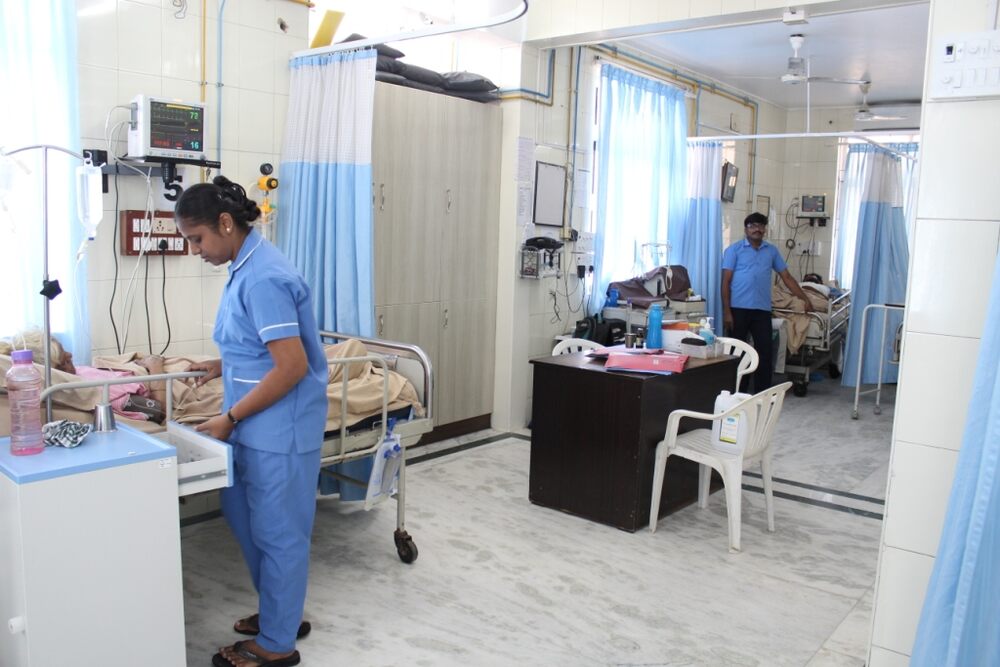
Gastroenterologists in Ambattur: Expert Care for a Healthy Digestive System
When it comes to maintaining overall health, your digestive system plays a vital role. From breaking down food and absorbing nutrients to supporting immunity and overall well-being, a healthy digestive tract is essential for a healthy life. If you are experiencing persistent stomach pain, acid reflux, bloating, constipation, liver disorders, or other digestive concerns, seeking timely medical attention can make a significant difference. Gastroenterologists in Ambattur at ESSVEE Hosiptal provide comprehensive diagnosis, advanced treatments, and personalized care for a wide range of gastrointestinal conditions, helping patients regain their digestive health and improve their quality of life.
Understanding Gastroenterology
Gastroenterology is a specialized medical field dedicated to the diagnosis, treatment, and prevention of disorders affecting the digestive system . This includes the esophagus, stomach, small intestine, large intestine (colon), rectum, liver, gallbladder, pancreas, and bile ducts.
Digestive disorders can range from mild discomfort to serious medical conditions that require specialized care. Early diagnosis and treatment help prevent complications while ensuring faster recovery and better long-term health outcomes.
Why Digestive Health Matters
Your digestive system plays a much bigger role than simply processing food. It plays a crucial role in:
- Absorbing essential nutrients
- Supporting immune function
- Maintaining energy levels
- Eliminating waste efficiently
- Regulating metabolism
- Protecting against infections
When the digestive system is not functioning properly, it can affect nearly every aspect of your overall health.
Common Symptoms You Should Never Ignore
Many people overlook digestive symptoms until they become severe. However, persistent symptoms should always be evaluated by a gastroenterologist.
Some warning signs include:
- Frequent acidity or heartburn
- Persistent stomach pain
- Difficulty swallowing
- Chronic constipation
- Ongoing diarrhea
- Blood in stool
- Unexplained weight loss
- Nausea and vomiting
- Bloating and excessive gas
- Loss of appetite
- Jaundice (yellowing of skin and eyes)
- Fatigue associated with digestive disorders
If these symptoms continue for more than a few days or keep recurring, professional evaluation is recommended.
Conditions Treated by Gastroenterologists
Gastroenterologists diagnose and manage a wide variety of digestive diseases, including:
Acid Reflux (GERD)
Gastroesophageal Reflux Disease causes stomach acid to flow back into the food pipe, resulting in heartburn, chest discomfort, and throat irritation. Proper treatment helps prevent complications such as ulcers and esophageal damage.
Gastritis
Inflammation of the stomach lining can occur due to infections, excessive painkiller use, alcohol consumption, or stress. Treatment depends on identifying the underlying cause.
Peptic Ulcers
Ulcers develop in the stomach or upper intestine because of bacterial infections or long-term medication use. Early diagnosis prevents bleeding and perforation.
Irritable Bowel Syndrome (IBS)
IBS is a functional digestive disorder causing abdominal pain, bloating, constipation, diarrhea, or alternating bowel habits. Lifestyle modifications and medications can effectively manage symptoms.
Inflammatory Bowel Disease (IBD)
Crohn’s disease and ulcerative colitis are chronic inflammatory conditions requiring long-term medical care and monitoring.
Fatty Liver Disease
Fat accumulation in the liver has become increasingly common due to obesity, diabetes, and sedentary lifestyles. Early intervention can reverse fatty liver before permanent damage occurs.
Hepatitis
Inflammation of the liver caused by viral infections, alcohol, or autoimmune disorders requires specialized evaluation and treatment.
Gallbladder Disorders
Gallstones, infections, and gallbladder inflammation can cause severe abdominal pain and digestive problems.
Pancreatitis
Inflammation of the pancreas can occur suddenly or become chronic, requiring immediate medical attention.
Colon Disorders
Conditions such as polyps, diverticulitis, colorectal cancer, and chronic constipation require expert diagnosis and management.
Causes of Digestive Disorders
Several factors contribute to digestive illnesses, including:
- Poor dietary habits
- Excessive consumption of processed foods
- Lack of physical activity
- Smoking
- Alcohol consumption
- Obesity
- Diabetes
- Chronic stress
- Food allergies
- Bacterial and viral infections
- Genetic predisposition
- Long-term medication use
Identifying these risk factors helps create an effective treatment plan.
Advanced Diagnostic Services
Modern gastroenterology relies on advanced diagnostic techniques for accurate evaluation.
Common investigations include:
Upper GI Endoscopy
A flexible endoscope is gently inserted through the mouth to examine the esophagus, stomach, and upper intestine.
Colonoscopy
This procedure helps detect colon polyps, inflammation, ulcers, bleeding, and colorectal cancer.
Liver Function Tests
Blood tests evaluate liver health and detect inflammation or damage.
Ultrasound Scan
Imaging helps assess the liver, gallbladder, pancreas, and abdominal organs.
CT Scan and MRI
Advanced imaging provides detailed information about digestive organs and surrounding tissues.
Stool Analysis
Laboratory testing identifies infections, bleeding, parasites, and inflammatory bowel diseases.
Blood Investigations
Blood tests evaluate infections, nutritional deficiencies, liver disorders, pancreatic diseases, and anemia.
Treatment Options Available
Treatment depends on the underlying digestive condition and the patient’s overall health.
Management may include:
Lifestyle Modifications
Simple lifestyle changes often provide significant relief.
These include:
- Eating smaller meals
- Drinking adequate water
- Regular exercise
- Maintaining healthy body weight
- Avoiding smoking
- Limiting alcohol intake
- Managing stress effectively
Dietary Counseling
Personalized nutrition plans help patients manage digestive disorders and prevent recurrence.
Medications
Doctors prescribe medications to reduce acid production, eliminate infections, reduce inflammation, improve digestion, and relieve symptoms.
Endoscopic Procedures
Many digestive conditions can now be treated using minimally invasive endoscopic techniques without major surgery.
Surgical Care
Some advanced digestive diseases may require surgical intervention when medications alone are insufficient.
How to Maintain a Healthy Digestive System
Preventing digestive problems begins with healthy daily habits.
Eat a Balanced Diet
Include fruits, vegetables, whole grains, lean proteins, and fiber-rich foods in your meals.
Stay Hydrated
Water plays an important role in digestion, nutrient absorption, and maintaining regular bowel movements.
Exercise Regularly
Physical activity improves digestion and reduces constipation.
Avoid Overeating
Large meals increase the risk of acidity and indigestion.
Reduce Processed Foods
Highly processed foods are often high in unhealthy fats and added sugars, which can negatively impact digestive health.
Limit Alcohol
Excessive alcohol can damage the liver, stomach, and pancreas.
Quit Smoking
Smoking increases the risk of acid reflux, ulcers, and digestive cancers.
Manage Stress
Stress directly affects digestion. Meditation, yoga, adequate sleep, and relaxation techniques support gut health.
Get Regular Health Checkups
Routine screening helps identify digestive diseases before symptoms become severe.
Who Should Visit a Gastroenterologist?
Consult a gastroenterologist if you experience:
- Frequent acidity
- Persistent abdominal pain
- Difficulty swallowing
- Blood in stool
- Chronic constipation
- Chronic diarrhea
- Liver-related symptoms
- Repeated vomiting
- Sudden weight loss
- Family history of digestive cancers
- Long-standing digestive discomfort
Prompt evaluation leads to earlier diagnosis and better treatment outcomes.
Why Choose Specialized Gastrointestinal Care?
Specialized digestive care offers several advantages:
- Accurate diagnosis
- Personalized treatment plans
- Modern diagnostic technology
- Experienced specialists
- Preventive screening
- Comprehensive follow-up care
- Patient-focused treatment approach
Receiving expert care helps reduce complications while improving long-term digestive health.
Importance of Early Diagnosis
Many digestive disorders develop gradually and show mild symptoms initially. Ignoring these early signs may allow conditions to worsen over time. Diseases such as stomach ulcers, liver disorders, inflammatory bowel disease, and colorectal cancer are far easier to manage when detected early.
Regular screening and timely medical consultation can prevent complications, reduce hospitalizations, and improve treatment success rates.
Conclusion
Digestive health is closely connected to your overall well-being. Persistent digestive symptoms should never be ignored, as early diagnosis often leads to more effective treatment and better long-term outcomes. Whether you are experiencing acidity, abdominal pain, liver problems, bowel disorders, or digestive discomfort, seeking expert medical care is the first step toward recovery. Gastroenterologists in Ambattur at ESSVEE Hosiptal are committed to providing compassionate care, advanced diagnostic services, and personalized treatment plans to help every patient achieve a healthier digestive system and a better quality of life.